


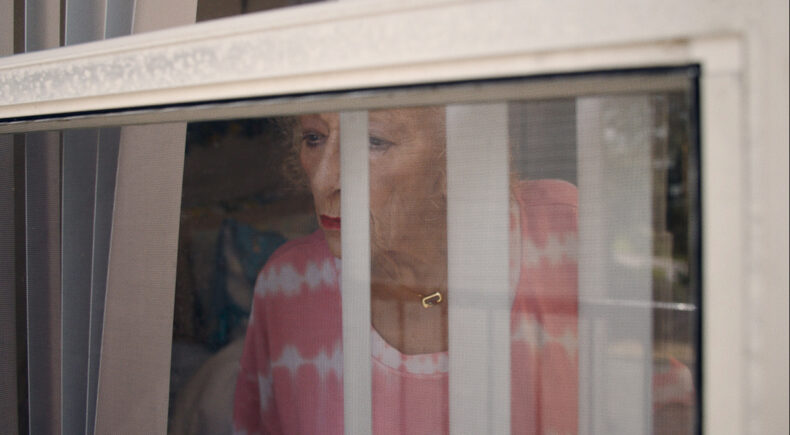
Hilda O. vs. The State of New York
Directors: Alison Cornyn and Heather Greer
Crew:Producers: Alison Cornyn, Heather Greer. Cinematrography and Editing: Robert Gregson; Original Score: Chris Pattishall, Samora Pinderhughes
Email:alison.cornyn@gmail.com
Synopsis
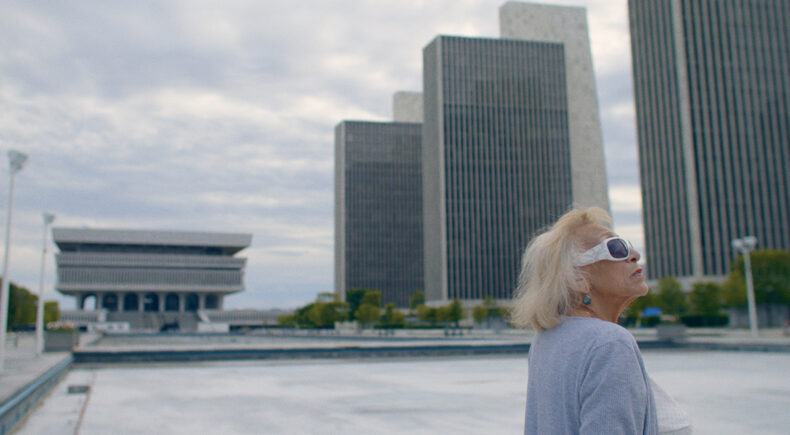
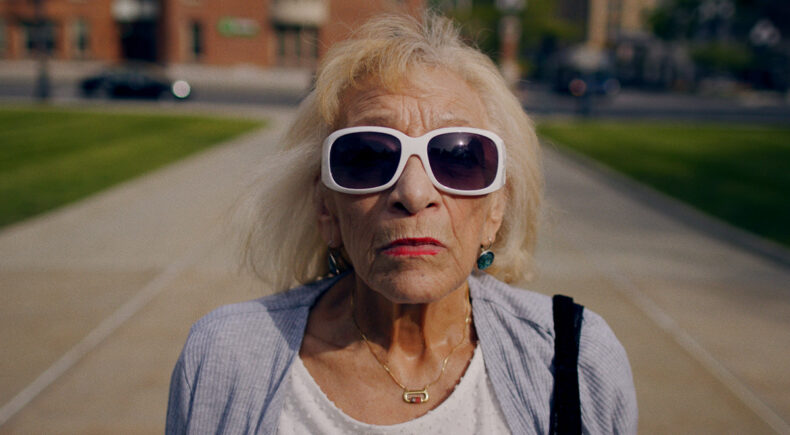
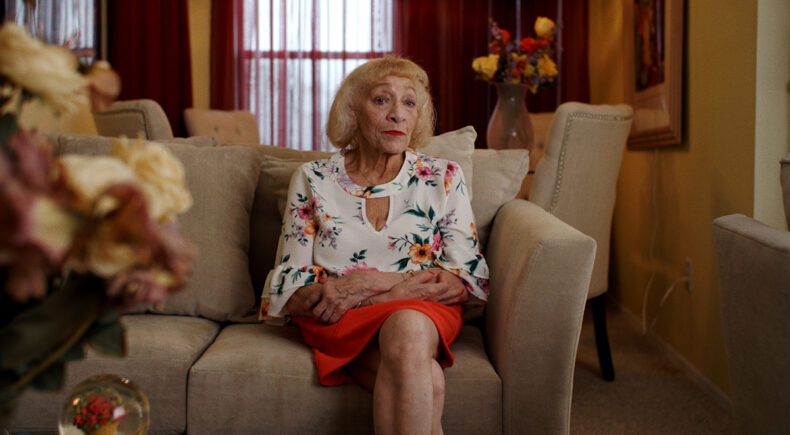
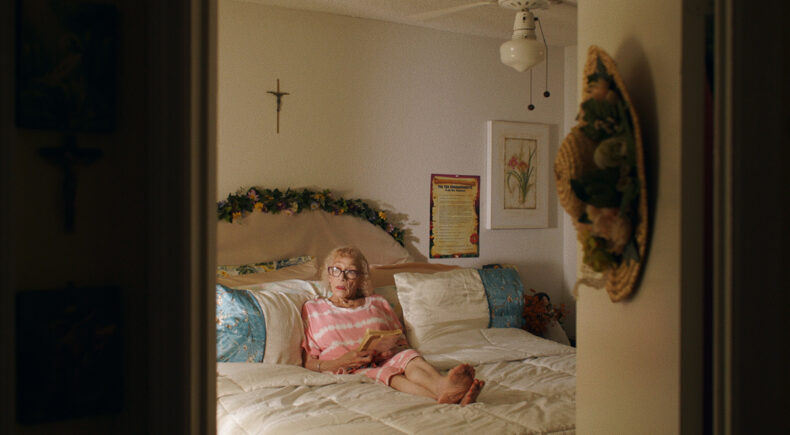
At 15 years old, Hilda Onley was sexually abused at the NY State Training School for Girls, where she was incarcerated in 1958. She had faced an impenetrable statute of limitations until NY’s Child Victims Act was passed in 2019. In "Hilda O. vs. The State of New York," we follow 81-year-old Hilda as she navigates the process from deposition to court judgment, tracing her fight for justice.
Trailer
About the directors
Alison Cornyn - Alison Cornyn is a Peabody Award-winning interdisciplinary artist and educator. Her studio, Picture Projects, produces in-depth media projects about pressing social issues of our day, often focusing on mass incarceration. Her work has received numerous awards in addition to the Peabody; including a Gracie Allen Award and Pew’s Batten Award for Innovation. Her work has been presented at Sundance, Hot Docs, IDFA, and numerous other film festivals. Cornyn teaches in the Design for Social Innovation MFA program at the School of Visual Arts in New York City.
Heather Greer - Heather Greer (Co-Director/Producer) is an Emmy-winning producer, award-winning filmmaker, media artist, and educator. She is the founder of Black Tartan Studios, a boutique creative agency based in Brooklyn. Her films and video installations have been screened and exhibited nationally and internationally at leading festivals and arts venues, including MoMA, Tribeca, BAFICI, the Female Eye Film Festival, and CineDoc. "Nevereverland", her feature narrative screenplay, was a selected project for the 2024 Stowe Narrative Lab. In a humanitarian capacity and as a media educator, Heather has worked in several countries, including Rwanda, Malawi, Mali, and Bangladesh.
Filmmakers' note
NOTE: In April 2025, after a 6-year legal battle, Hilda settled her case against the State of New York.
* * *
Stories have the power to break silence, and silence has long been the accomplice of injustice. When I first met Hilda's and heard her testimony, I knew her voice needed to be heard not just as a singular narrative, but as a beacon for thousands of women whose stories remain buried in the shadows of state-run institutions across America. And more importantly Hilda wanted her story to be heard.
Our documentary captures a profound moment of reckoning – the liminal space between speaking truth and awaiting justice. After sixty-five years of carrying the weight of childhood trauma, Hilda stands at the threshold of potential resolution through her lawsuit against New York State. Her story represents a crucial intersection between personal healing and systemic change, highlighting how the wounds of institutional abuse reverberate across generations.
"Hilda O. vs. The State of New York" is more than a documentary; it's a testament to resilience and an urgent call for justice. By focusing on the moments between Hilda's final deposition and the court's judgment, we witness the quiet courage required to stand up against powerful institutions. Our purpose extends beyond storytelling. Through this film, we aim to honor not only Hilda's journey but also acknowledge the countless women who may never have the opportunity to share their experiences or seek justice. In making this film, we've created a space where personal testimony transforms into collective memory, where individual courage becomes communal strength. Through Hilda's story, we see how the past continues to shape our present, and how confronting historical injustices can create possibilities for future healing. This is not just about documenting history – it's about making history by breaking the cycles of silence that have protected abusers and institutions for far too long.
The camera lens becomes a witness, not just to Hilda's story, but to a moment of social change. As filmmakers, we believe in the power of visual storytelling to move hearts and minds, to challenge existing power structures, and to create spaces for healing and transformation. Through this film, we invite audiences to become part of this journey toward justice and healing, understanding that every story heard is a step toward preventing future abuse and supporting survivors in their pursuit of justice, no matter how many years have passed.
* * *