


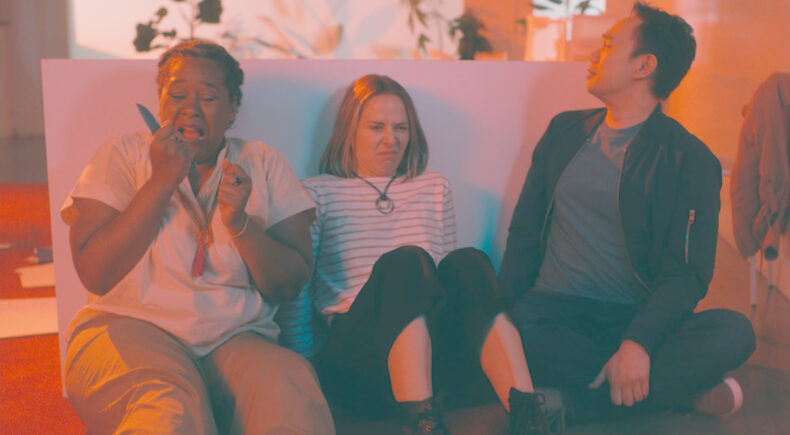
Hostile Work Environment
Director: Dawn Jones Redstone
Cast:Victoria Alvarez Chacon, Kailey Rhodes, Chase Hawkins, Samson Syharath
Crew:Writers: Dawn Jones Redstone, Annie Tonsiengsom. Producer: Annie Tonsiengsom. DP: Kevin Michaluk; Production Designer: Kailah Armand
Synopsis
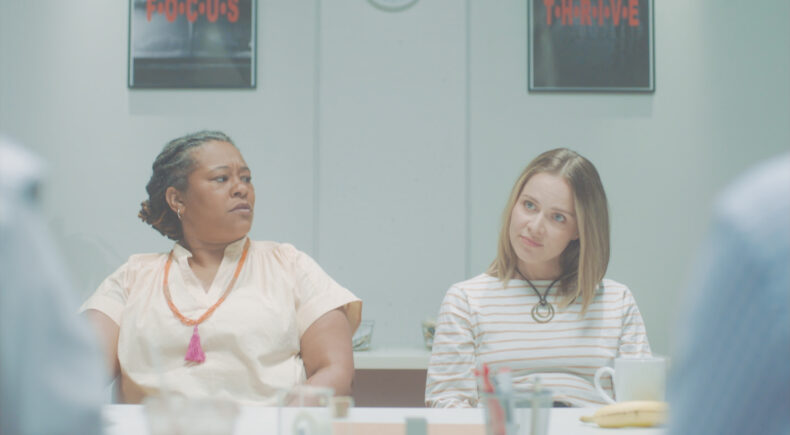
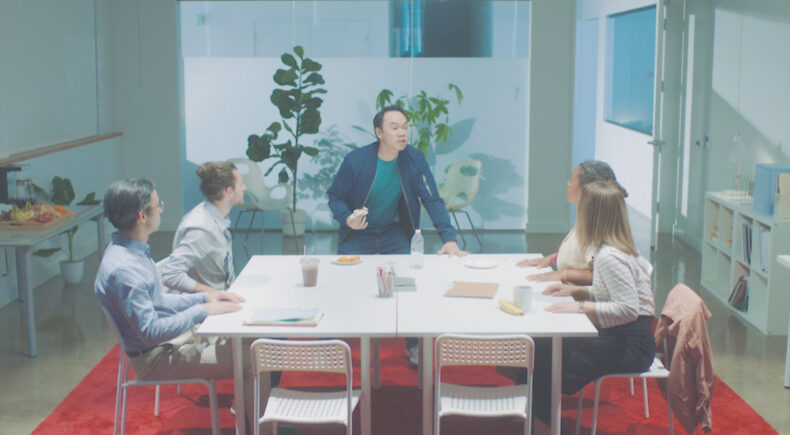
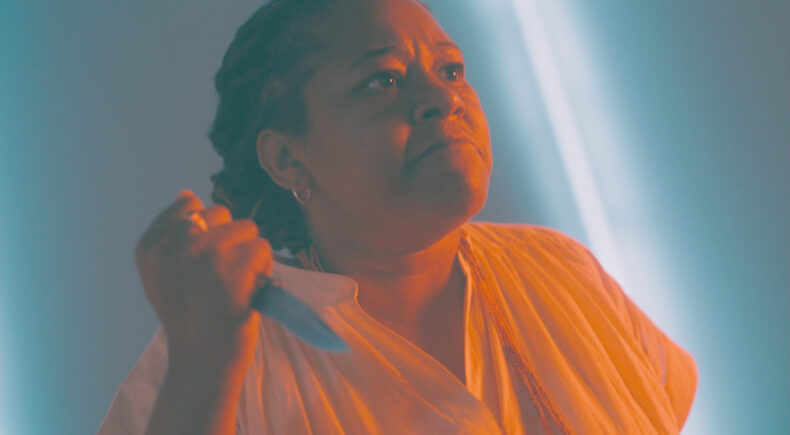
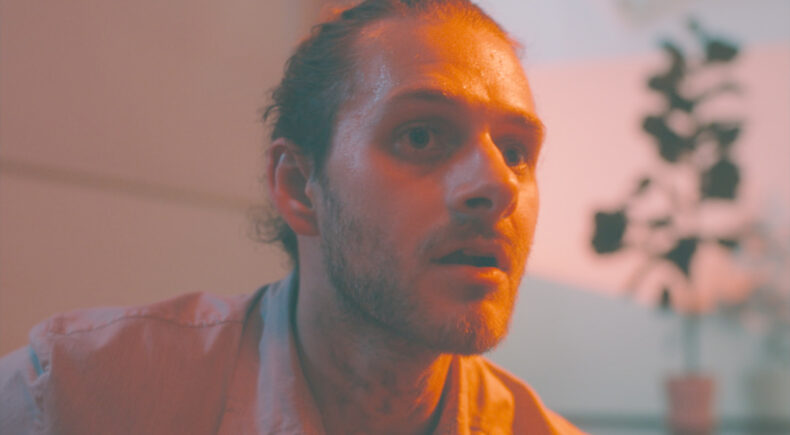
When fridge politics spiral out of control, Liza isn’t sure if her passive-aggressive co-worker is just a jerk or actually undead. With barricades, microaggressions, and donuts on the line, survival in this office comedy gets gross.
Trailer
About the director
Named "one of Portland's most distinct creative voices," Dawn Jones Redstone (she/they) is a queer, Mexican American writer/director whose films are known for their emotional resonance, imaginative storytelling, and a commitment to centering women of color. As a Mexican American filmmaker and granddaughter of cotton pickers, her work pays tribute to those who came before while insisting on the visibility and humanity of Latine people in a country that too often erases them. Currently in development on the absurdist dramedy feature Appliance of Science, Dawn creates films that explore resistance, emotion as spirituality, and the transformative power of reclaiming identity.
A self-taught filmmaker, she came to directing after years as a union carpenter, her award-winning feature film Mother of Color raised $200K through creative producing and is now streaming on major platforms, continuing to resonate with audiences for its cultural relevance and depth. Her first short film Sista in the Brotherhood won numerous awards, was distributed by Collective Eye, purchased by the U.S. Department of Labor, and tweeted about by Oregon's Governor.
Her films are rooted in cinema as an empathy machine, having seen how storytelling has the power to heal and connect, as much as educate and challenge. She lives in Portland, Oregon, building a career rooted in bold vision, community, and heart.
Filmmaker's note
Hostile Work Environment began as a conversation between Executive Producer Annie Tonsiengsom and I, about what it feels like to work in predominantly white spaces as women of color. Something can seem perfectly polite on the surface while feeling deeply alienating underneath. That sense of coded language, performative progressivism, and the slow erosion of trust (even in ourselves) became the foundation for this film.
More recently, I’ve been using genre as a lens to explore power and identity. In this case, satire and a touch of horror allowed us to turn the everyday microaggressions of office life into something that’s both funny and unsettling. The idea that a woman might suspect her co-worker is a zombie, and no one believes her, is exactly what it’s like to be gaslit by systems designed to appear inclusive while in reality, they just keep holding the line.