


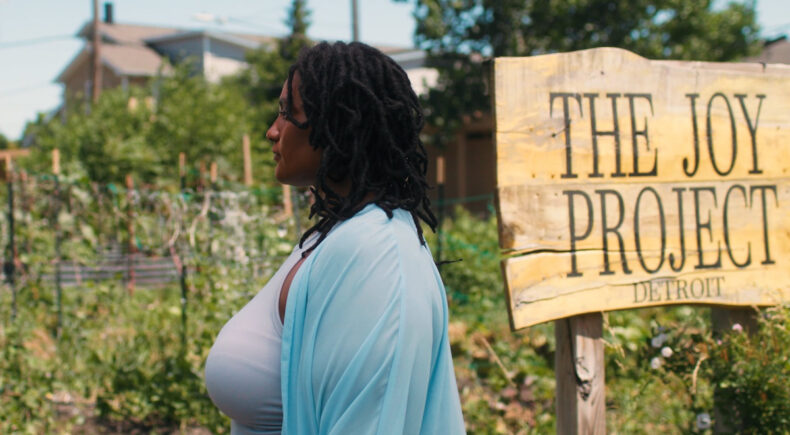
Until It Feels Like Worship
Director: Ifayomi Christine
Cast:Ifayomi Christine, Harmony Bowers, Bailey Appling, Daryl Terell-Phillips, Gabby Knox, Josmine Evans, Natalia McIntyre, Amanda Brezzell, Franise Hearn
Crew:Writer: Ifayomi Christine. Producer: Nina Carey Marie Young. Director of Photography: Toko Shiiki; First Assistant Director: Hannah Fahoome; First Assistant Camera: Sarah Uddin; Second Assistant Camera: Hafsah Mijinyawa; Third Assistant Camera: Desmond Love; Key Grip / Gaffer: Darrien Pope; Swing: Desmond Love; Sound Recordist: JUUNI; Key Hair and Makeup Artist: Jay Orellana; Production Designer: Deja Milany; Production Assistant: Desmond Love, Franise Hearn, Jay Orellana, Hafsah Mijinyawa; Executive Producer: Detroit Narrative Agency
Email:ifayomic@gmail.com
Synopsis
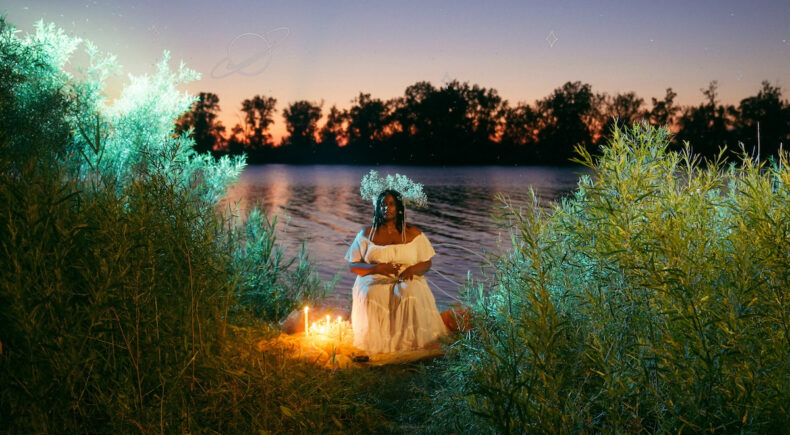
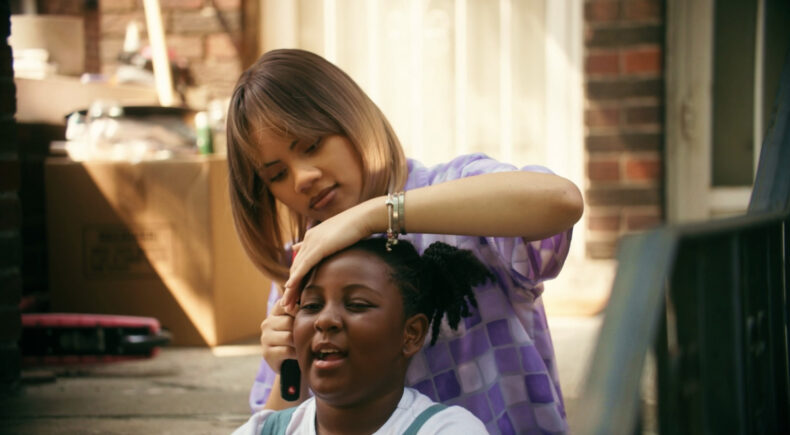
Set against the backdrop of Detroit’s rich Black culture, 'Until It Feels Like Worship’ follows Yomi as she navigates a journey to reconcile with grief. Stemming from a lineage of silent sorrow tracing back to her great-grandmother’s tragic loss of her children to a house fire,, a legacy of enslaved ancestors in the antebellum South and sharecroppers in its aftermath, Yomi confronts grief rooted in the loss of loved ones, the relationship with her body, the absence of community and tradition, and the unspoken weight of inherited pain.
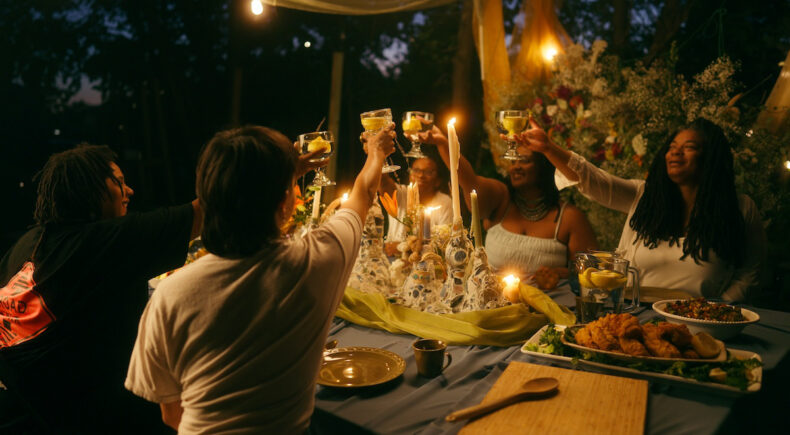
Seeking connection in The Joy Project—an evolving archive of African Atlantic agriculture and foodways built on the pillars of Recognition, Remembering, Reconciliation, and Restoration—Yomi plants seeds to begin the reclamation of herself.
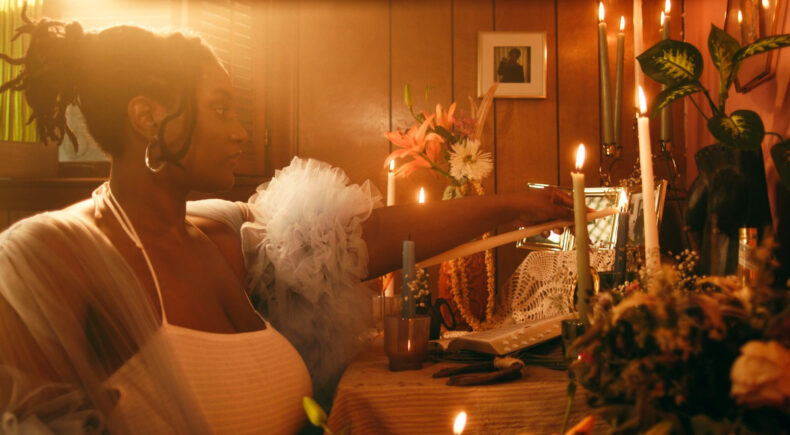
Interrogating grief alongside her community, Yomi traces the connections of heritage and community through memory, cooking, somatic movement, and spiritual practice. Armed with rituals to build capacity and maintain cultural presence, grief transforms from an oppressive force into a companion, guiding her toward healing.
About the director
Ifayomi Christine is a writer, director, and lens-based artist born and raised in east Detroit, Michigan. She developed her filmmaking foundation as a youth through short films and theatre training, and went on to premiere her first short Omiero at the Museum of Contemporary Art Detroit. She was recently awarded Detroit Narrative Agency's 2024–2025 Emerging Filmmaker Fellowship, through which she created the docu-narrative film Until It Feels Like Worship. Ifayomi hopes to continue expanding her healing-centered storytelling practice to wider audiences and international stages, preserving the spirit and culture of the people the screen has yet to truly know.
Filmmaker's note
As a Black, queer, fat woman, I'm committed to creating work that demands visibility for those of us existing at multiple margins and widening the scope of how we see and love one another, honor how storytelling and memory-keeping keep us and our traditions alive, and counter violence that seeks to destroy and rewrite our
stories. I believe that through the storyteller, memory keeping is a kind of wellness, is political, intimate, and integral to our survival.
Water, land, and nature are central to my visual language, reflecting the migratory and spiritual traditions of the African diaspora. I'm deeply influenced by Zora Neale Hurston's work as a cultural anthropologist and her documentation of Black life
with specificity and recognition of its inherent sacredness. Filmmaker Julie Dash's
'Daughters of the Dust' showed me how to render Gullah culture and Black ritual with poetic reverence, a cadence I carry through both visual and written language in my work, and writer Alexis Pauline Gumbs' meditations on water, breath, and
ancestral memory have inspired how I approach the Middle Passage as a site of transformation and spiritual continuity.
I work primarily in documentary and docu-narrative forms, using observational, experimental cinematography and intimate portraiture to center the mundane as sacred. My films draw from personal and collective memory, oral histories, embodied ritual, and archives to preserve narratives for future generations while affirming their power in the present.