

The Wrestler
Directors: Ilyssa Berger Wilson and Tyler Maxson
Crew:Writers: Ilyssa Berger Wilson, Tyler Maxson. Executive Producer: Luciana Jordao; Executive Creative Director: Dina Peck; Animation Direction: Loenardo Fleuri, Luciana Jordao, Paulo Visgueiro; Producer/Account Executive: Erica Matthias; Art Direction: Leonardo Fleuri, Luciana Jordao, Paulo Visgueiro, Michelle Leone, Nico Zapanta; 2D Lead: Paulo Visgueiro; Concept Art/Storyboard/2D Animation/FX: Bernardo Rebello, Paulo Visgueiro; 3D Lead: Leonardo Fleuri; 3D Model: Gabriel Cruz; CGI Tech: Guilherm Maya; Look Dev: Gabriel Cruz, Leonardo Fleuri; Rigging: Vitor Hugo Alves; 3D Animation: Abrão Figueira, Alex Castro, Bruno Fabien, Emerson Manfrin, Gabriel Gomes, Leonardo Fleuri, Paulo Visgueiro, Vinicius Ribeiro; VFX: Gabriel Cruz, Guilherm Maya, Leonardo Fleuri; Compositors: Gabriel Cruz, Leonardo Fleuri, Luciana Jordao; Writting Contributions By: Michaela Berkon, Kate Dietrich; Sound Design and Mix: Justin Kaupp; Voice Cast: Molly Babos; Composer: Roberto Murguia; Creative Producer of Score: Kristopher Roggeman
Email:tyler.maxson@omc.com
Synopsis
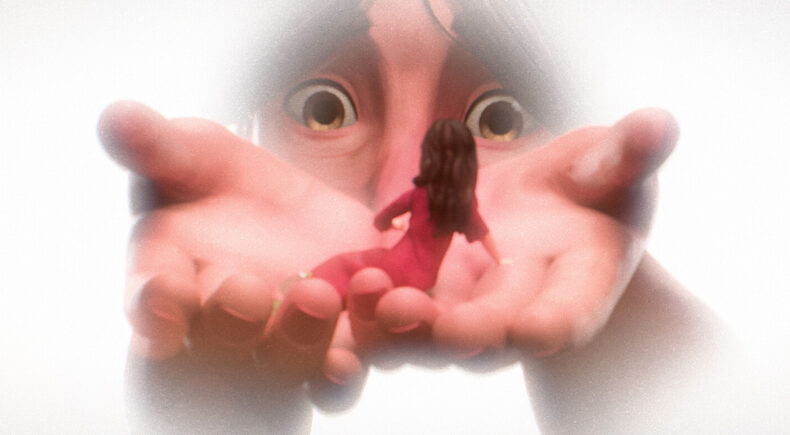
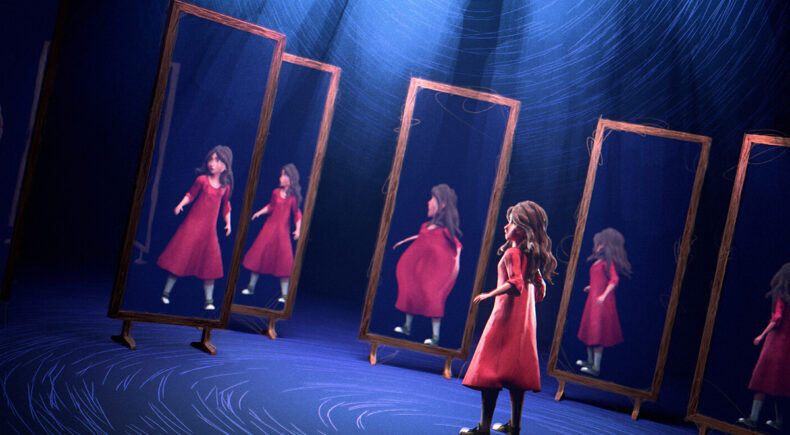
Inspired by real social media content, The Wrestler follows a child navigating pressures such as influencer culture, peer comparison, and societal expectations around body image.
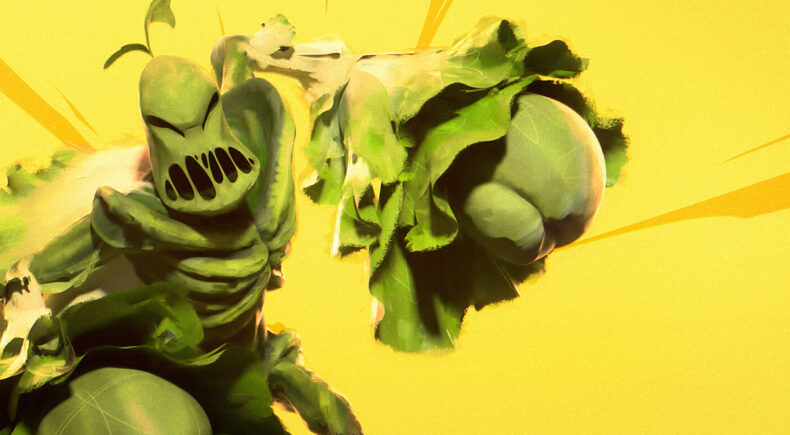
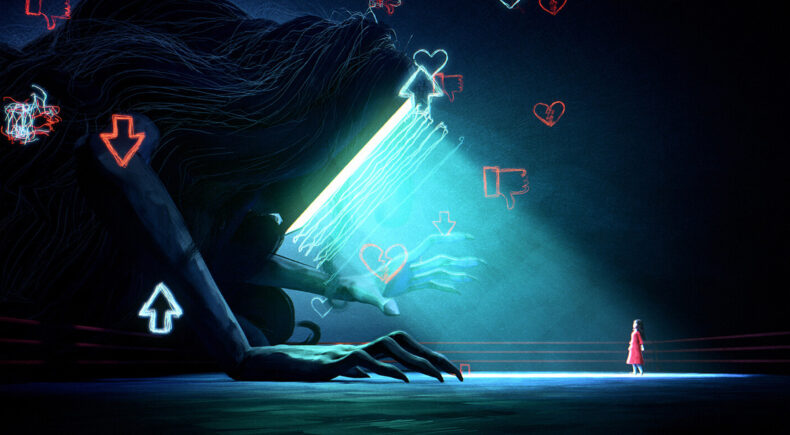
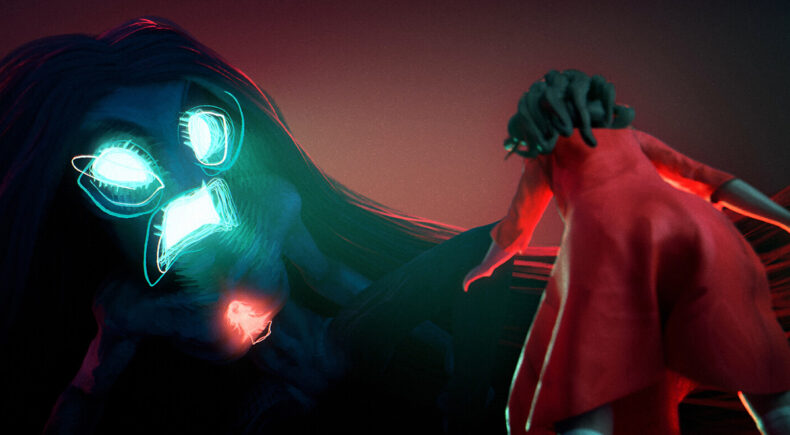
Inside the ring, the girl confronts monsters born from comments, diet culture, and influencer ideals—each one echoing the algorithmic voices that distort her self-worth.
The Wrestler is both a coming-of-age story and a call for accountability—spotlighting the urgent need to safeguard young people growing up in algorithm-driven spaces.
About the directors
Ilyssa Berger Wilson - Driven by a long-standing commitment to women’s health and the cultural narratives that shape it, Ilyssa Berger Wilson makes her directorial debut as co-director and co-writer of The Wrestler. The project originated from her own idea — born out of years spent confronting the emotional, political, and deeply personal realities surrounding women’s and girls’ bodies.
For more than fifteen years, Ilyssa has worked at the intersection of storytelling and healthcare, building campaigns that challenge stigma and elevate overlooked voices. As Group Creative Director at Remedy Edge (formerly Patients & Purpose), she has led award-winning work recognized with a Grand Clio and Cannes shortlist honors in 2025 for advancing authentic, evidence-based women’s health advocacy.
Her creative foundation is rooted not just in strategy, but in human truth — listening closely to patients, caregivers, and communities whose experiences are often minimized or misunderstood. That proximity to real stories shaped her move into filmmaking, where she could explore those themes with greater depth and nuance.
This film marks a natural evolution of her work: from brand storytelling to short form narrative, where urgency and intimacy can coexist without compromise. As co-director and co-writer, Ilyssa brings a perspective forged in one of the most regulated and emotionally complex industries — pairing rigor with empathy, and impact with restraint.
Tyler Maxson - Tyler Maxson makes his directorial debut as co-director and co-writer of The Wrestler, a short film that uses metaphor, movement, and psychological tension to explore the pressures young people face in their relationships with their bodies.
For more than fifteen years, Tyler has worked as a storyteller across film, technology, and health, drawn to subjects where private struggles are often hidden in plain sight. His work has explored illness, caregiving, stigma, identity, and the emotional weight of living inside systems that can be difficult to see clearly from the outside.
A creative director by trade, Tyler has built a career translating complex human experiences into visual and emotional stories. His work has been recognized by the Clios, Cannes Lions, The One Show, The Webbys, Anthem Awards, MM+M, The Manny Awards, and other international creative organizations.
With The Wrestler, Tyler brings his interest in heightened visual storytelling into narrative film, using genre and allegory to make an internal battle feel physical, cinematic, and urgent. As co-director and co-writer, he brings a perspective shaped by craft, empathy, and a belief that the most powerful health stories are not simply explained — they are felt.
Filmmakers' note
I have two daughters, who are, upon the release of this film, three and a half and eight months old. (Yes, I made this film on approximately 47 minutes of sleep and whatever counts as a postpartum brain these days.) Right now, they're too young to scroll. But the world they're growing up into? It's already building their profiles. And that terrifies me.
The Wrestler started with a question I just couldn't shake. How do you show something kids can't even put into words? Because eating disorders don't feel like ONE thing you're fighting. They feel like multiple opponents. The influencer content telling you to shrink. The peers comparing bodies in the bathroom mirror. Your own inner voice that's somehow learned to sound like all of them at once.
The wrestling ring just clicked. Each opponent represents a different voice. And just like in actual wrestling, they keep tagging in. One after another after another until you can't tell which thoughts are even yours anymore.
But here’s where we did something different: We didn't show the happy ending. No triumph. No recovery montage. No girl who "wins" and walks away forever changed with inspiring music swelling in the background.
Because that would be a lie.
The film ends with the line "Eating disorders are something you can wrestle with for life." Not because recovery isn't real or possible—it absolutely is. But because recovery isn't crossing some finish line and never thinking about it again. It's showing up for yourself over and over, especially when the algorithm is STILL serving up the exact triggers designed to pull you back into the ring.
And look—this film exists because dozens of people donated their craft. Not just their time. Their actual CRAFT. Musicians. Animators. Sound designers. Creative directors. The specific human skills you can't automate or AI-generate or prompt your way into. In this era where so much feels like it came from the same bland content factory, we wanted to make something that could only exist because real people decided this story mattered enough to build it by hand.
And the reason it matters so much to me? By the time my daughters are old enough to have phones, the algorithm will have had YEARS to perfect exactly which voices land the hardest blows. Right now—today—kids are exposed to 3,000 algorithm-driven posts every single day. Posts designed to make them pause. Compare. Doubt themselves.
And if we don't change the rules of this fight NOW... my girls will step into a ring that's been rigged against them before they even know they're competing.
This isn't really a film about eating disorders. (I mean, it is. But also it isn't.)
It's a film about what algorithms do to kids. And why we need to do something about it before the next generation loses the fight.